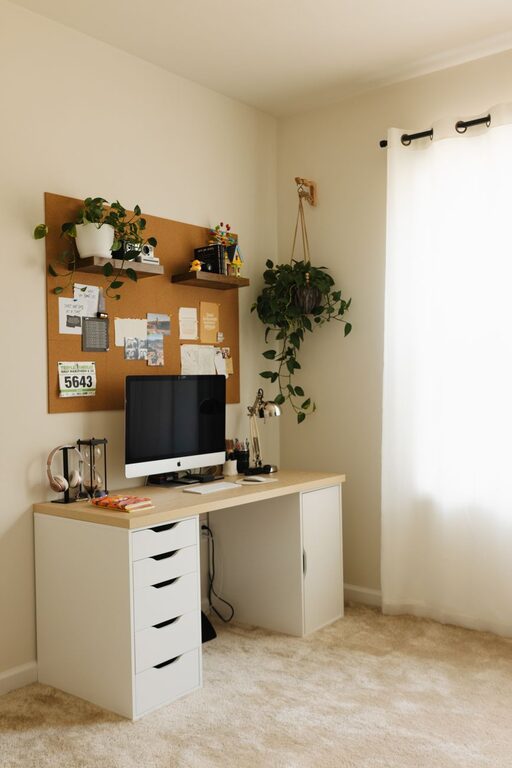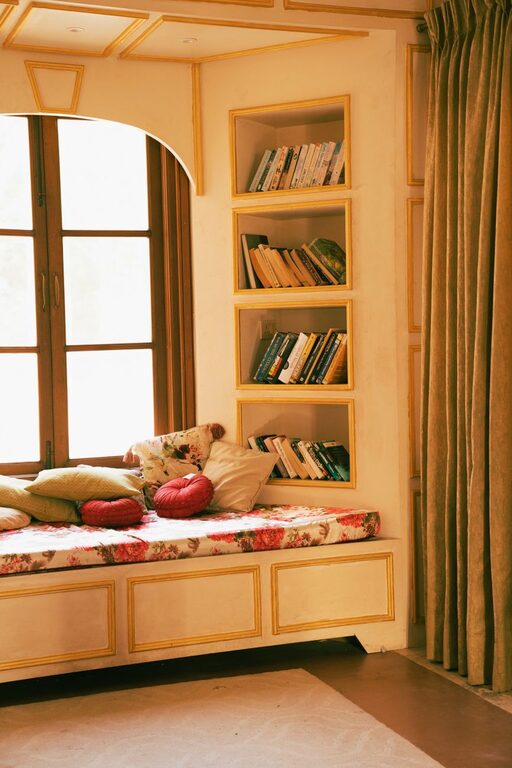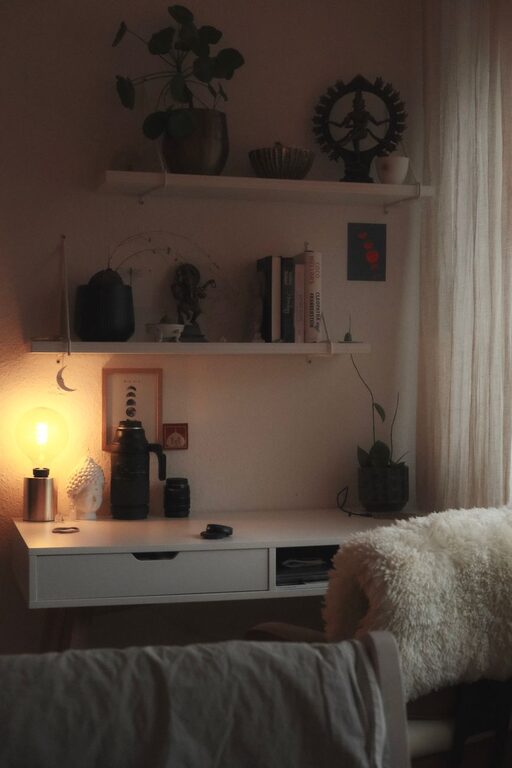

Creating a productive home office environment is more important than ever, as many people continue to work remotely or split their time between home and the workplace. A well-designed workspace can help improve focus, reduce distractions, and encourage a healthy work routine. In this post, we’ll explore several useful tips for setting up a home office that supports productivity and well-being.
1. Choose the Right Location
Find a Dedicated Space
Select an area in your home that can be exclusively dedicated to work. This helps signal to your brain that you are in “work mode” and helps separate professional life from personal life.
Consider Natural Light
Whenever possible, place your desk near a window. Natural light can boost your mood and energy levels, making it easier to stay focused throughout the day.
Minimize Noise and Distractions
Try to select a quiet corner or room where interruptions are limited. If that’s not possible, using noise-cancelling headphones or white noise machines can help manage background sounds.
2. Invest in Ergonomic Furniture
Choose a Comfortable Chair
An ergonomic office chair supports good posture and reduces the risk of back pain. Look for adjustable features like seat height, lumbar support, and armrests.
Use a Suitable Desk
Your desk should provide enough space for your computer, documents, and other work essentials. If space is limited, consider options like foldable desks or wall-mounted desktops.
Position Your Devices Properly
Place your monitor at eye level to reduce neck strain. Your keyboard and mouse should be positioned so your wrists remain straight and your elbows are at a 90-degree angle.
3. Organize Your Workspace
Declutter Regularly
A tidy desk fosters a clear mind. Keep only essentials on your desk and store other items in drawers or shelves.
Use Storage Solutions
Organizers, file holders, and trays can help keep papers and office supplies neat and accessible.
Create an Efficient Layout
Design your workspace so frequently used items are within easy reach, reducing unnecessary movement.
4. Optimize Lighting
Combine Natural and Artificial Lighting
While natural light is ideal, supplement it with task lighting such as a desk lamp. Choose light bulbs with a color temperature around 4000K to 5000K for a bright, daylight effect.
Avoid Glare and Reflections
Position your monitor to minimize glare from lights or windows. Anti-glare screen protectors can also be helpful.
5. Incorporate Personal and Motivational Elements
Add Greenery
Houseplants can improve air quality and create a calming atmosphere. Choose low-maintenance plants like succulents or pothos.
Display Inspiring Items
Photos, artwork, or motivational quotes can help maintain a positive mindset.
Use a Comfortable Color Scheme
Colors like soft blues and greens promote calmness and concentration, while yellows can add energy.
6. Establish a Routine and Boundaries
Set Working Hours
Define clear start and end times to maintain a work-life balance.
Take Scheduled Breaks
Short breaks every hour can improve focus and reduce fatigue.
Communicate Your Workspace Rules
If you live with others, let them know about your schedule and the importance of minimizing disturbances during work time.
7. Use Technology Wisely
Leverage Productivity Tools
Apps for task management, time tracking, and communication can help keep you organized and connected.
Maintain a Fast and Reliable Internet Connection
Internet speed and reliability are crucial for smooth video calls and online collaboration.
Minimize Digital Distractions
Turn off non-essential notifications and use website blockers during focused work periods.
8. Prioritize Comfort and Health
Maintain Good Air Quality
Open windows periodically or use air purifiers to keep the air fresh.
Stay Hydrated and Snack Smartly
Keep water and healthy snacks nearby to stay energized.
Incorporate Movement
Stretch or walk around during breaks to reduce stiffness and improve circulation.
—
Creating a productive home office environment takes thoughtful planning and ongoing adjustments. By choosing the right space, investing in ergonomic furniture, organizing your workspace effectively, and establishing healthy routines, you can build a setup that supports your work and well-being. Start implementing these tips today to make your home office a place where you can thrive professionally and personally.