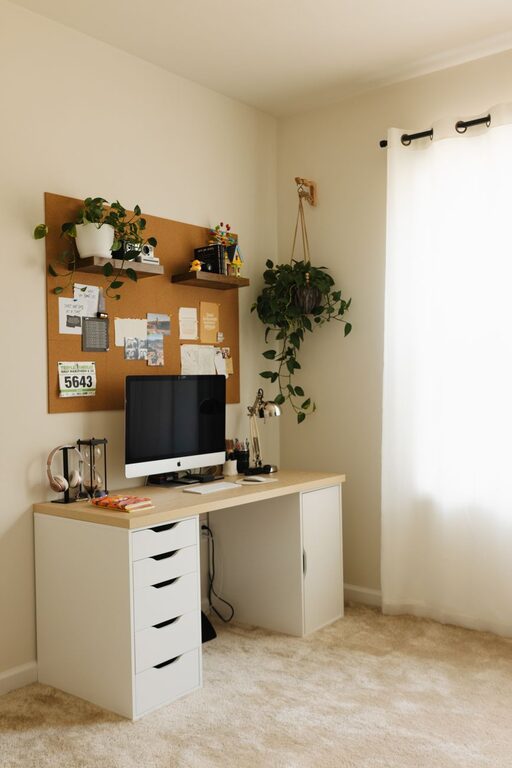

Creating a productive home office space can make a significant difference in your work performance and overall well-being. Whether you’re working remotely full-time or occasionally, having a dedicated area designed to help you focus and stay organized can boost your productivity and promote a healthier work-life balance.
In this post, we’ll explore practical tips to help you set up a home office that meets your needs and supports your best work.
1. Choose the Right Location
Finding the ideal spot for your home office is the first step. Here are some factors to consider:
– Quiet Area: Select a place with minimal noise and distractions. A spare room, a corner in your bedroom, or even a converted closet can work if noise is limited.
– Natural Light: Try to position your desk near a window. Natural light reduces eye strain and helps maintain energy levels throughout the day.
– Space: Ensure you have enough room for your desk, chair, and any equipment or storage you require.
2. Invest in Comfortable and Ergonomic Furniture
Comfort plays a big role in productivity. Consider these furniture tips:
– Ergonomic Chair: A chair that supports your lower back and promotes good posture will prevent discomfort and fatigue.
– Adjustable Desk: If possible, use a height-adjustable desk to switch between sitting and standing positions.
– Desk Size: Choose a desk spacious enough to hold your computer, paperwork, and any other essentials without clutter.
3. Optimize Your Lighting
Good lighting reduces eye strain and keeps you alert:
– Layered Lighting: Combine ambient lighting with task lighting. Use a desk lamp with adjustable brightness for focused tasks.
– Positioning: Place your desk lamp so that it doesn’t cause glare on your computer screen.
– Avoid Harsh Overhead Lights: If overhead lights are too bright or flicker, replace them with softer bulbs.
4. Organize Effectively
A cluttered workspace can hinder focus. Maintain an organized home office with these strategies:
– Storage Solutions: Use shelves, filing cabinets, or storage boxes to keep documents and supplies tidy.
– Desk Organizers: Pen holders, trays, and cable organizers help keep everyday items in place.
– Daily Clean-Up: Make it a habit to clear your desk at the end of each workday.
5. Personalize Your Space
Adding personal touches makes your workspace inviting and motivating:
– Plants: Indoor plants improve air quality and add a calming element.
– Artwork or Photos: Display images or art that inspire you.
– Color Choices: Choose colors that boost your mood and focus—for example, soft blues or greens.
6. Minimize Distractions
It’s important to create barriers against common home distractions:
– Designate Work Hours: Let family or housemates know your work schedule.
– Use Headphones: Noise-canceling headphones can block out background noise.
– Limit Phone Use: Keep your phone on silent and out of reach unless needed for work.
7. Equip Your Office with Necessary Technology
Having the right tools can make daily tasks easier:
– Reliable Internet: Ensure your internet connection is fast and stable.
– Quality Monitor and Accessories: A larger monitor, keyboard, and mouse enhance comfort and efficiency.
– Power Management: Use surge protectors and cable management systems to maintain a safe and orderly workspace.
8. Maintain Healthy Habits
A productive office also supports your physical and mental health:
– Breaks: Take regular, short breaks to stretch or walk around.
– Hydration: Keep water nearby to stay hydrated throughout the day.
– Air Quality: Ventilate the room or use an air purifier to keep the air fresh.
Final Thoughts
Setting up a productive home office takes some planning but is well worth the effort. By choosing the right spot, investing in comfortable furniture, organizing efficiently, and maintaining healthy habits, you can create a workspace that helps you focus, stay energized, and work effectively from home. Start with a few changes and adjust your setup as you discover what works best for you. Happy working!