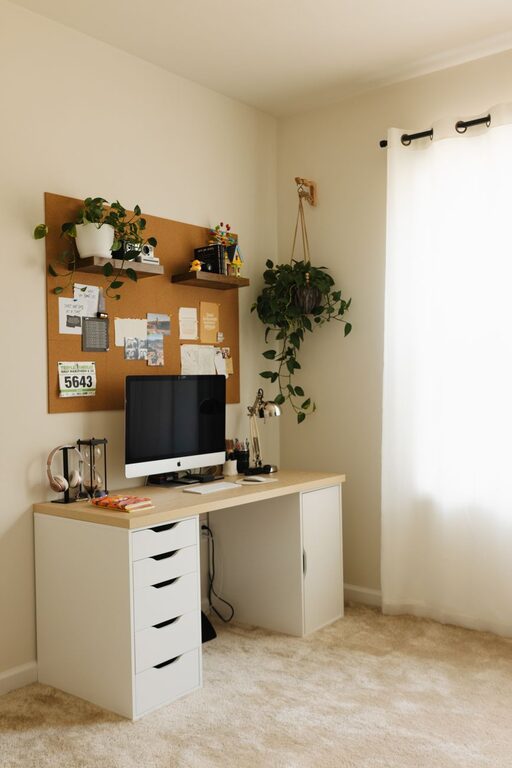
Creating a home office that is both cozy and productive can transform the way you work. Whether you’re freelancing, running a small business, or working remotely for a company, having a dedicated workspace that feels inviting and supports your productivity is essential. In this post, we’ll explore practical tips to help you design a home office that balances comfort with function, boosting your focus and creativity.
Why Your Home Office Setup Matters
Your environment plays a big role in how productive and motivated you feel throughout the workday. A cluttered or uncomfortable space can create distractions and stress, while a well-planned office encourages concentration and efficiency. By tailoring your workspace to suit your needs and preferences, you’ll likely find it easier to maintain a work-life balance and enjoy your days more fully.
Choosing the Right Location
Consider Natural Light and Privacy
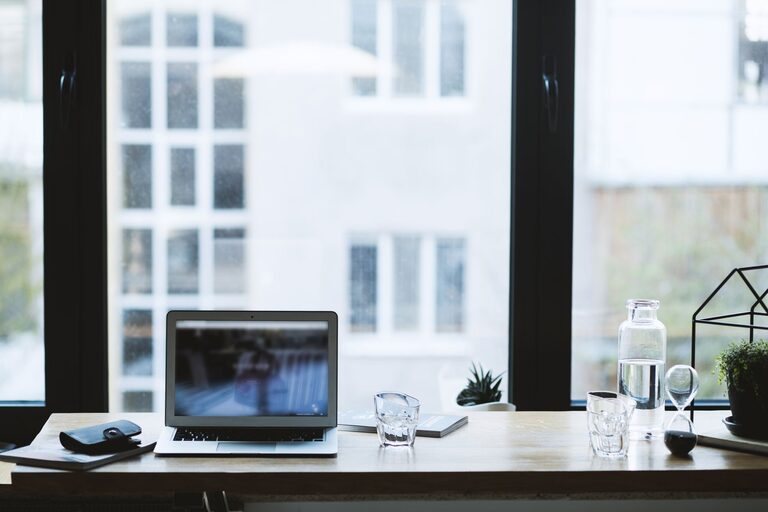
Start by selecting a spot in your home that offers plenty of natural light. Sunlight can improve mood and energy levels, which are both important when working. Ideally, your desk should be near a window, but avoid glare on your computer screen.
Next, think about privacy and noise levels. If possible, choose a quiet corner where interruptions are minimized. This could be a spare room, part of your bedroom, or even an underused nook in your living room.
Furnishing Your Home Office
Invest in an Ergonomic Chair
Comfort is key for long hours at your desk. An ergonomic chair supports your posture, reducing the risk of back and neck pain. Look for adjustable features, including seat height, lumbar support, and armrests.
Select a Suitable Desk
Choose a desk that fits your space and work style. If you need room for multiple monitors and papers, opt for a larger surface. If space is tight, consider a compact or wall-mounted desk. Adjustable standing desks are a great option to alternate between sitting and standing.
Organizing and Decluttering for Focus
Declutter Your Workspace
A clean desk helps clear your mind. Keep only essentials on your desktop and use organizers or drawers to store supplies. Regularly remove items that aren’t needed daily.
Use Storage Solutions
Shelves, filing cabinets, and baskets can keep your office neat and organized. Label your storage to quickly find what you need and save time.
Personalizing Your Space
Add Warmth and Comfort
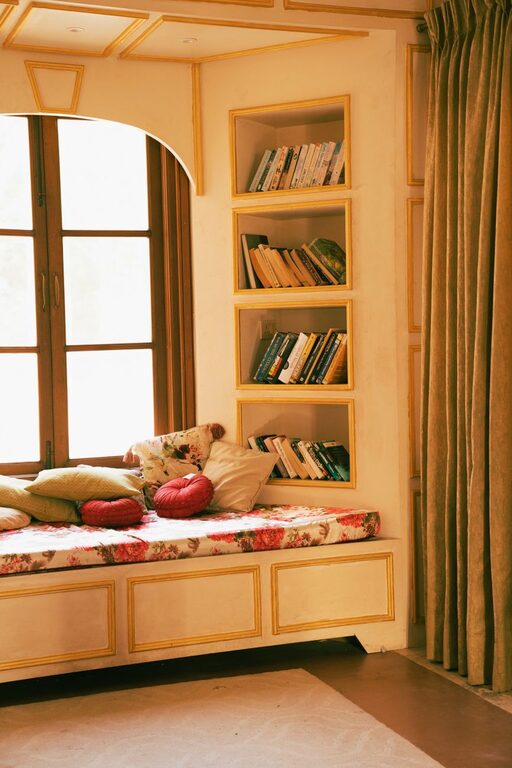
Incorporate cozy elements like a soft rug, cushions, or a throw blanket. These items can make your office feel inviting and less sterile.
Decorate with Plants and Art
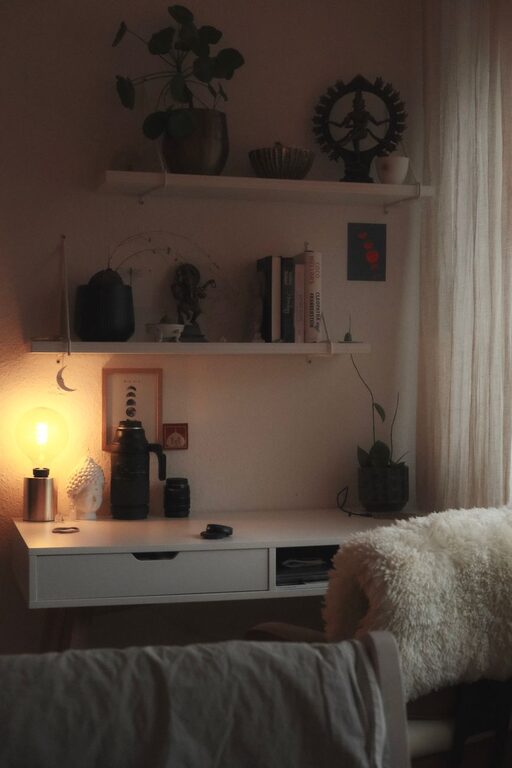
Plants not only improve air quality but also create a calming atmosphere. Choose low-maintenance plants like succulents or pothos. Hanging inspiring artwork or photos can boost your mood and creativity.
Lighting Your Workspace Properly
Combine Natural and Artificial Light
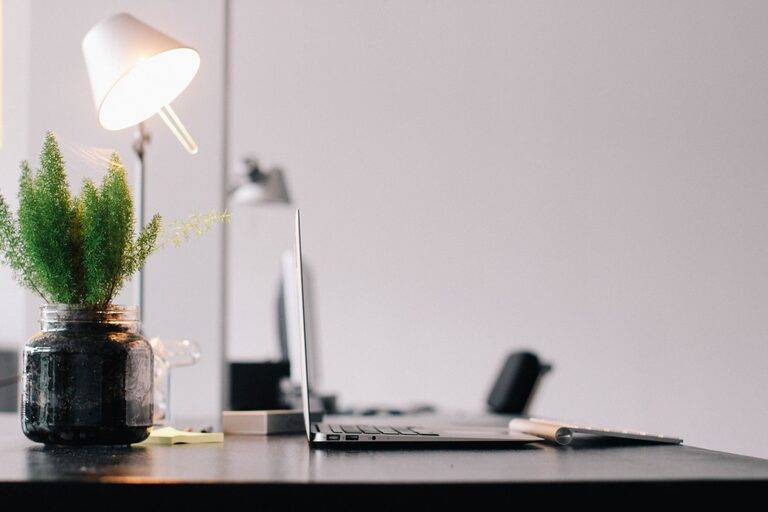
Balance natural light with task lighting such as a desk lamp to reduce eye strain. Adjustable lamps let you control brightness depending on your work needs.
Choose Warm Light Bulbs
Warm LED bulbs create a comfortable environment that’s easy on the eyes, especially in the evenings.
Technology and Accessories
Equip Your Desk with Essentials
Ensure you have reliable internet, a good-quality monitor, keyboard, and mouse. A charging station for your devices can reduce cable clutter.
Use Noise-Canceling Headphones
If your home is noisy, headphones can help you concentrate by blocking out background sounds.
Maintaining a Healthy Routine
Set Boundaries
Avoid mixing work and personal life by sticking to defined start and finish times. Use a separate work device if possible to minimize distractions.
Take Breaks and Move Around
Regular breaks improve focus. Stand up, stretch, or walk around every hour to stay energized.
Final Thoughts
Designing a cozy and productive home office doesn’t have to be expensive or complicated. Small adjustments—like improving lighting, adding plants, or choosing ergonomic furniture—can make a big difference. Tailor your workspace to your preferences while keeping it organized and comfortable. When your home office feels good, your work is more likely to flow easily and enjoyably.
Creating this balance will help you build a space where productivity and comfort go hand in hand, making your work-from-home experience a positive one.